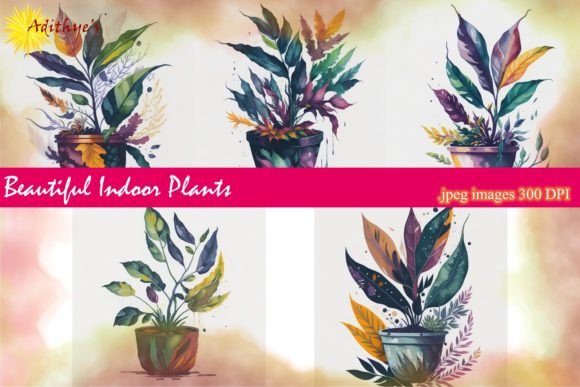
Beautiful Indoor Plants: High-Res Design Assets
In the digital design landscape, the quality of your source material often dictates the success of your final project. Beautiful Indoor Plants offers a curated collection of high-resolution imagery designed to meet the rigorous standards of professional creators and enthusiastic hobbyists alike. This resource is not merely a set of pictures; it is a toolkit for bringing organic texture, vibrant color, and natural elegance into a wide array of creative workflows. Whether you are crafting a physical product or designing a digital experience, the clarity and detail found in these images provide a solid foundation for compelling visual storytelling.
The Power of Resolution in Creative Work
One of the most critical aspects of this collection is its technical specification. Each image is provided in .jpeg format with dimensions exceeding 4000 pixels and a resolution of 300 dpi. For designers, these numbers represent freedom. They mean you can scale an image up to cover a large banner without worrying about pixelation, or print a small greeting card with razor-sharp detail. In an era where low-quality stock photos are ubiquitous, having access to assets that maintain integrity at any size allows for greater experimentation and bolder design choices.
When working on print-on-demand (POD) products, such as t-shirts or tote bags, the 300 dpi standard ensures that the ink lays down smoothly and the colors remain true to the original photograph. Similarly, for publishers creating notebook covers or book jackets, the large file size prevents the dreaded "jagged edge" effect that plagues lower-resolution files. This technical reliability means you can focus entirely on composition and creativity rather than troubleshooting image artifacts.
Versatile Applications for Modern Creators
The versatility of Beautiful Indoor Plants extends far beyond simple decoration. The five distinct images included in this zip folder offer a range of botanical subjects, from lush ferns to structured succulents, allowing for diverse thematic approaches. Here is how different types of creators can leverage these assets:
- Fashion and Apparel Designers: Use the detailed textures of leaves and stems to create all-over prints for t-shirts, dresses, or scarves. The high resolution ensures that intricate vein patterns remain visible even when scaled across a garment.
- Paper Goods and Stationery: These images are ideal for greeting cards, gift cards, and invitations. A close-up of a monstera leaf or a cluster of eucalyptus can serve as a sophisticated background for wedding invites or birthday wishes, adding a touch of nature-inspired luxury.
- Crafters and Scrapbookers: Physical crafters can print these images on cardstock to use as journaling pages, album backgrounds, or mixed-media collage elements. The 300 dpi quality ensures that even when printed on home printers, the results look professional.
- Digital Marketers and Bloggers: Content creators need eye-catching headers and featured images. These plant photos can elevate blog posts about wellness, interior design, or sustainability, providing a visually consistent aesthetic that keeps readers engaged.
Design Strategies for Maximum Impact
While the images themselves are high quality, their impact depends on how they are integrated into your design. To get the most out of Beautiful Indoor Plants, consider the following practical strategies:
Color Harmony and Mood
Plants bring life through color, but they also establish mood. Deep greens suggest growth, stability, and calm, making them perfect for corporate branding or wellness products. Lighter, variegated leaves can introduce playfulness and energy, suitable for children's books or lifestyle blogs. When using these images, analyze the color palette and ensure it complements your existing brand identity. You might desaturate the background slightly to make text pop, or increase the vibrancy to create a bold statement piece.
Composition and Cropping
With files larger than 4000 pixels, you have the luxury of cropping without losing quality. Do not feel bound by the original frame. Try isolating a single leaf to create a minimalist logo element, or crop tightly around a flower to create a focal point for a social media graphic. The ability to reframe the subject allows you to adapt a single asset to multiple formats, from square Instagram posts to wide website banners.
Layering and Texture
For more complex projects like scrapbooking or poster design, layering these images with other elements can add depth. Place a plant image behind semi-transparent text boxes, or overlay geometric shapes to create a modern contrast between nature and structure. The high resolution supports these manipulations, ensuring that edges remain clean and layers do not blend muddy.
Adapting Assets for Different Audiences
Understanding your audience is key to effective design. The same image of a potted plant can be interpreted differently depending on who you are trying to reach. For a corporate client, you might choose a sleek, architectural plant like a snake plant and pair it with clean typography to convey efficiency and order. For a lifestyle brand targeting young adults, a chaotic, overgrown arrangement of pothos might better communicate authenticity and relaxation.
Small business owners selling handmade goods can use these images to create cohesive packaging designs. Imagine a soap brand using a soft-focus image of a peace lily on their wrapping paper, instantly communicating natural ingredients and purity. Educators can utilize the images to create engaging worksheets or classroom decorations that bring a bit of the outdoors inside, fostering a calming learning environment.
Maintaining Consistency and Organization
As you integrate Beautiful Indoor Plants into various projects, maintaining consistency is vital for building a recognizable brand. Since the pack includes five distinct images, you can rotate them to create a series without repetition. For example, use one image for your main logo background, another for your newsletter header, and a third for your product tags. This creates a unified visual language while keeping the content fresh.
Organization is also crucial when managing high-resolution files. Store your downloaded zip folder in a dedicated directory within your project management system. Rename files clearly before importing them into your design software to streamline your workflow. Because the files are large, ensure your storage solution has sufficient capacity and consider backing them up to avoid data loss. Treating these assets with care ensures they remain a reliable part of your creative arsenal for years to come.
Final Thoughts on Creative Potential
The intersection of nature and design is a powerful place to work. Beautiful Indoor Plants provides the raw materials needed to explore this intersection with confidence. By offering high-resolution, versatile, and aesthetically pleasing imagery, this collection empowers creators to produce work that stands out in a crowded market. Whether you are printing a limited-run batch of notebooks or launching a new line of apparel, the quality and flexibility of these images will support your vision from concept to completion. Thank you for choosing this resource to fuel your next creative endeavor.