Nursery Baby Whale Sublimation Clipart: A Practical Guide for Creators
In the crowded landscape of digital design assets, finding resources that balance aesthetic appeal with technical reliability is a constant challenge. For designers specializing in nursery themes, baby showers, or children's merchandise, Nursery Baby Whale Sublimation Clipart has emerged as a specific category of interest. These digital assets are not merely decorative images; they are engineered tools intended for physical production. Understanding what distinguishes this format from standard vector graphics or low-resolution raster images is essential for anyone looking to produce high-quality printed goods.
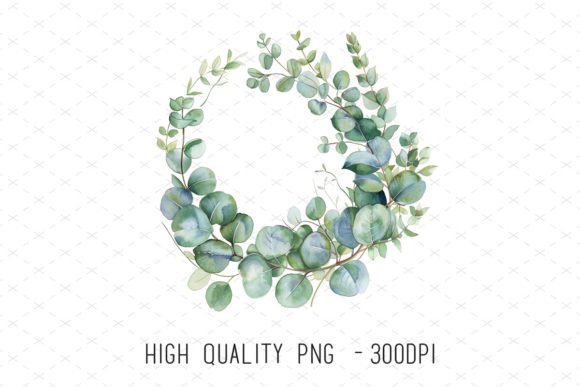
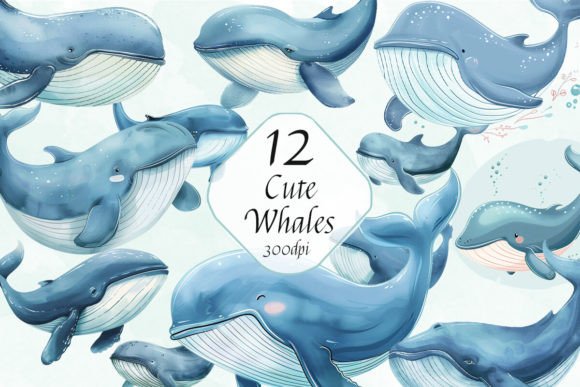
The core value of these cliparts lies in their specific preparation for sublimation and other printing methods. Unlike generic stock photos often found on free download sites, professional-grade whale cliparts are typically delivered at 300 DPI with dimensions such as 4000 x 4000 pixels. This resolution ensures that when an image is transferred onto a mug, t-shirt, or wall art, the details remain crisp rather than pixelated. The watercolor style inherent in many of these designs adds a soft, organic texture that resonates well with modern nursery aesthetics, offering a hand-painted look without the time investment of creating original art from scratch.
Understanding the Technical Specifications
When evaluating digital assets, the file specifications are often more critical than the visual subject matter. Nursery Baby Whale Sublimation Clipart usually comes in PNG format with a transparent background. This transparency is a non-negotiable feature for most commercial applications. It allows the designer to place the whale illustration over any colored fabric, ceramic glaze, or paper stock without an unsightly white box surrounding the image.
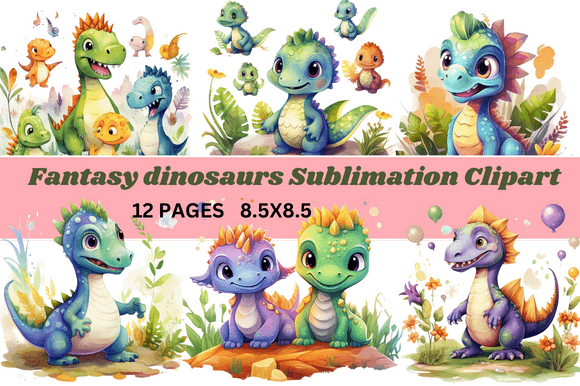
The absence of watermarks is another defining characteristic of premium clipart bundles. While preview images may carry branding, the final files provided—often totaling around 12 distinct variations in a single pack—are clean and ready for immediate use. The ability to resize these images without losing quality is a significant advantage. Because the source files are high-resolution, they can be scaled down for small items like stickers or greeting cards, or enlarged for larger formats like banners or large-format prints, maintaining the integrity of the watercolor strokes.
Comparing Formats: Raster vs. Vector
A common point of confusion for new creators is the difference between raster-based sublimation clipart and vector graphics. Nursery Baby Whale Sublimation Clipart is predominantly raster-based (PNG), which means it is composed of pixels. In contrast, vector files (such as SVGs) are made of mathematical paths. Each format serves a different purpose and has distinct tradeoffs.
- Raster (PNG): Ideal for capturing complex textures like watercolor washes, ink splatters, and soft gradients. If your goal is to replicate the look of a painting on a t-shirt or mug, raster files are superior because vectors struggle to mimic organic brushstrokes efficiently. However, raster images have a limit to how much they can be enlarged before becoming blurry.
- Vector (SVG/EPS): Best for logos, icons, and designs requiring infinite scalability. While vectors are excellent for cutting machines like Cricut or Silhouette, they often lack the artistic depth required for a "watercolor" nursery theme unless heavily manipulated.
For projects involving sublimation printing, where the goal is to transfer a full-color, textured image onto a substrate, the high-resolution PNG format of Nursery Baby Whale Sublimation Clipart is generally the preferred choice. The 300 DPI standard ensures that the print head captures every nuance of the color blend, resulting in a vibrant finish.
Evaluating Use Cases and Applications
The versatility of these cliparts extends far beyond simple digital decoration. They are specifically optimized for a wide range of physical products. Designers frequently utilize these assets for:
- Apparel: T-shirts and onesies benefit from the soft edges of watercolor whales, which complement cotton fabrics well. The sublimation process bonds the ink into the fibers, making the design durable and washable.
- Home Decor: Wall art, canvas prints, and framed posters require high-resolution imagery. A 4000x4000px file provides enough data for large prints without compromising clarity.
- Paper Goods: Invitations, greeting cards, and scrapbook elements rely on the whimsical nature of baby whales. The transparent background allows for easy layering with typography and other design elements.
- Merchandise: Mugs, tumblers, and keychains are popular sublimation targets. The circular or irregular shapes of these products work well with the organic shapes of whale illustrations.
However, it is important to recognize the limitations. While these cliparts are excellent for printing, they are not always suitable for embroidery. Embroidery requires simplified stitch patterns, and the complex gradients of a watercolor style do not translate well to thread. In such cases, a vector conversion or a completely different asset type would be necessary.
Decision Factors: When to Choose This Style
Determining whether Nursery Baby Whale Sublimation Clipart is the right resource depends heavily on the project's end goal. If you are designing for a gender-neutral nursery, the soft blues, teals, and whites typical of whale illustrations offer a perfect palette. The marine theme is universally appealing and fits seamlessly into various decor styles, from nautical to minimalist.
Conversely, if your project requires a bold, cartoonish, or highly stylized mascot look, a watercolor approach might feel too subtle. In those scenarios, flat vector illustrations with solid colors might provide better contrast and visibility. Additionally, consider the production method. If you are using heat press technology for sublimation, these PNG files are ideal. If you are using screen printing, the complex color blending of watercolors may require extensive color separation, increasing costs and complexity.
Cost-Benefit Analysis of Digital Bundles
From a business perspective, purchasing a bundle containing 12 high-quality PNG files offers significant efficiency compared to commissioning custom artwork or sourcing individual images. Custom illustration can be time-consuming and expensive, often costing hundreds of dollars per piece. Stock photography, while cheaper, rarely offers the specific thematic consistency or the transparent backgrounds needed for product design.
The tradeoff is the licensing agreement. Most clipart bundles come with personal and commercial licenses, but it is crucial to read the terms. Some licenses allow for unlimited use on physical products, while others may restrict the number of items sold. Always verify that the license covers your intended volume of production, especially for scalable businesses like Etsy shops or print-on-demand stores.
Furthermore, the ease of resizing with different software is a practical benefit. Whether you are using Adobe Photoshop, Canva, or GIMP, these files integrate smoothly into existing workflows. The standardized resolution means less time spent upscaling images or dealing with compression artifacts, allowing designers to focus on layout and composition.
Final Considerations for Designers
Ultimately, the decision to use Nursery Baby Whale Sublimation Clipart should be driven by the specific requirements of your project. For creators aiming to produce soft, textured, and emotionally resonant designs for nurseries and baby-related products, these assets offer a strong combination of aesthetic charm and technical readiness. They bridge the gap between artistic expression and manufacturing constraints.
While they may not be the solution for every design challenge—particularly those requiring embroidery or vector-based cutting—they excel in their primary domain: high-quality sublimation and digital printing. By understanding the strengths of the PNG format, the importance of 300 DPI resolution, and the specific stylistic benefits of watercolor illustrations, designers can make informed choices that elevate the quality of their final products. As with any digital resource, reviewing the sample files and testing them in your specific workflow before committing to a large-scale project is always the most prudent course of action.